
Some are. Thin white vinyl horizontal blinds, 1-inch aluminum horizontals in cool white, and standard PVC vertical slats are in clear decline. If you have those products and they're starting to look wrong in your space, that's not your imagination.
Quality wood and faux wood blinds in current finishes are not going out of style. The question is which category your current blinds fall into. Here's how to tell, why it happened, and what to do about it.
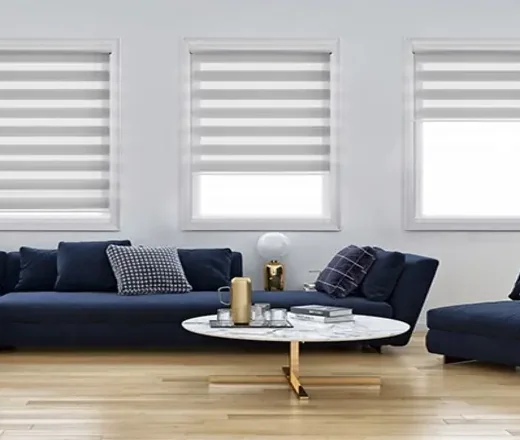
Which Specific Blinds Are Going Out of Style?
Thin vinyl horizontal blinds and standard 1-inch aluminum horizontals in cool white are the products most actively being replaced in 2026. Both share the same underlying problem: they were selected and manufactured primarily on price, and their material quality reflects that. They yellow, they bend, they break, and they don't align with where interior design has moved.
Standard PVC vertical slat blinds are the second category in clear decline. The individual slats tangle, fall from their clips, and develop static cling. They solve a problem for wide windows, but the newer solutions do it without those maintenance issues.
Visual Signs Your Current Blinds Are Dated
Yellowing or discoloration that you didn't choose is the most obvious sign. Vinyl and PVC white blinds yellow under UV exposure within two to four years on south- or west-facing windows. The product you bought as white is now cream or beige without your input.
Thin slats, specifically the 1-inch slat standard that dominated window treatments through the 1990s and 2000s, read as dated regardless of their material condition. Current blind styles use 2-inch slats. The difference is visible in how the product looks when raised, how much glass is visible when open, and how substantial the blind looks in the room.
Heavy plastic valances are the third visual tell. The scalloped or cornice-shaped plastic valance that came standard with most window treatment packages from that era dates a room significantly even when the blind slats themselves are still functional.
Faded woodgrain print on vinyl faux wood is the fourth. If the printed grain pattern that was supposed to look like real wood has washed out under years of UV exposure, the illusion is gone and the product looks exactly what it is.
Functional Signs That Confirm It's Time to Replace
Functional failure confirms what visual decline suggests. These are the signals that a blind has reached the end of its practical life.
Cord won't hold the blind at the height you've set it. The cord lock has worn out and the blind slides down slowly over hours.
Tilt rod no longer holds position. You turn it to angle the slats and they drift back to flat.
Slats don't close flat. Individual slats have bowed or warped and leave visible gaps when you close the blind.
Cord fraying at the lock point or at the headrail exit. This is a failure mode that also becomes a safety concern.
Vertical slats falling from their carriers. Once the clips start releasing, it happens progressively.
Any of these alongside yellowing or visible physical damage means the product has reached its end. Repairing one element on a product that's failing in multiple ways doesn't extend its life meaningfully.
Why These Products Went Out of Style?
The products in decline went out because they performed poorly over time and their appearance degraded in predictable, unavoidable ways. Vinyl without UV stabilizers yellows. Thin aluminum bends. PVC vertical slats tangle and fall. These weren't manufacturer defects. They were design decisions made at a specific price point.
Design preferences moved as well. The 1990s and 2000s default of a white 1-inch horizontal blind in every window, with a matching plastic valance, made sense when minimizing cost was the priority. The interior direction of the past decade has moved toward warmer materials, more considered product choices, and window treatments that look like part of the room rather than a functional add-on.
How to Evaluate Your Current Blinds?
Walk through each window in your home and ask three questions. Has the color shifted from what you chose? Have any slats bent, bowed, or broken? Does the operating mechanism (cord, tilt, lift) still function correctly? A blind that fails any of these questions is at or past its useful life.
If the blinds have been in place for more than eight to ten years and are showing visual wear, the evaluation usually leads to the same answer. The product has served its time.
Our care and maintenance guide covers what routine maintenance can extend and what signs indicate maintenance won't help anymore.
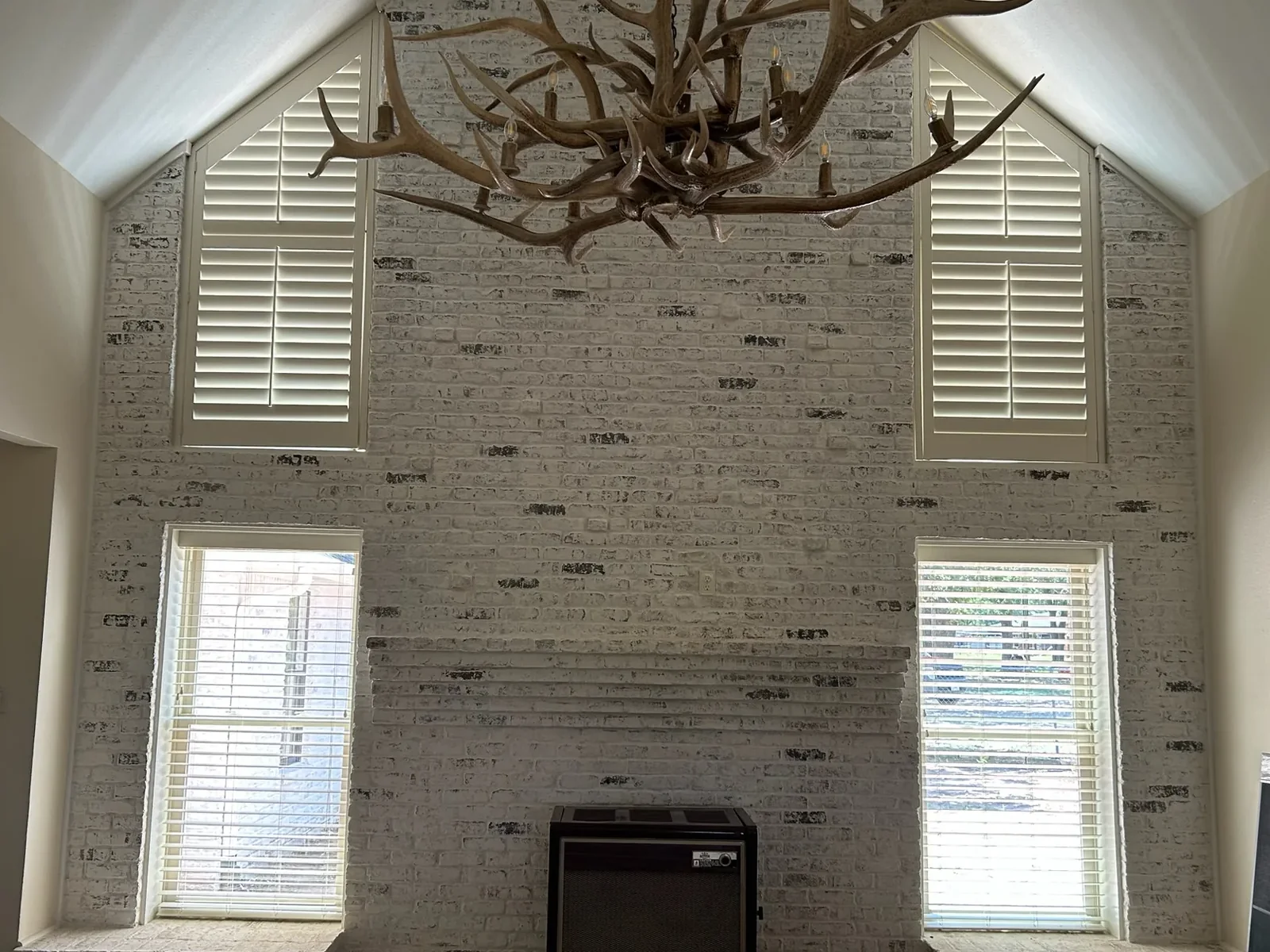
What to Replace Dated Blinds With in Aurora, IL
Faux wood in warm tones with 2-inch slats is the most common replacement for standard white vinyl horizontal blinds. Roller shades in natural textures replace them in rooms where a fabric look suits better. For wide windows and patio doors where vertical blinds are being removed, panel track systems and floor-to-ceiling drapery panels are the two most common alternatives.
Creative Blinds and Drapes installs replacement window treatments across Aurora, IL and surrounding communities. Every order starts with a free in-home consultation where we assess what you have and what would actually work better.
See our coverage on the Aurora, IL service area page or contact us to book a free in-home consultation.
Our window treatments hub covers all the product families we install if you want to compare options before your consultation.